
Media Gallery
High-resolution images, visualizations, and video demonstrations of the E.D.E.N. planetary simulation ecosystem.
The E.D.E.N. planetary engine is as much a visual platform as it is a scientific one.
This gallery collects our most striking renders, overlay demonstrations, geodesic tessellations, subsystem visualizations, and development previews.
All visuals here reflect real simulation output — no mockups, no concept art.
What you see is the actual engine, in motion.
Planetary Renders
Global views, surface detail, and the geodesic foundation.
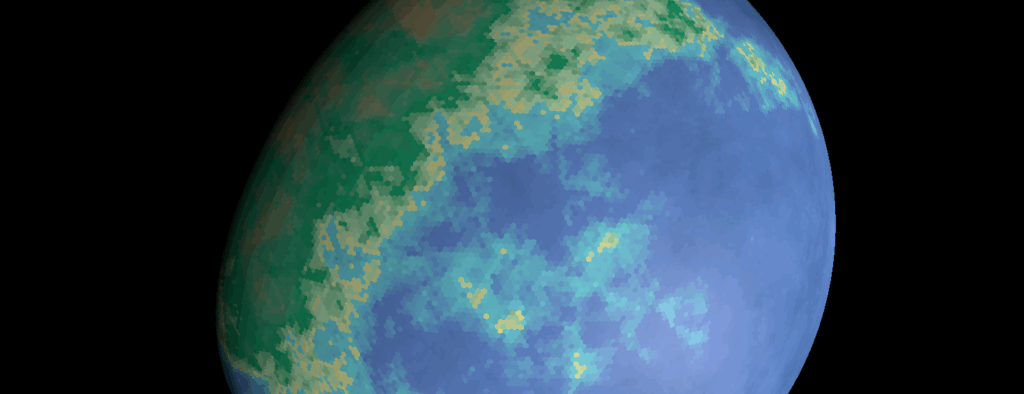
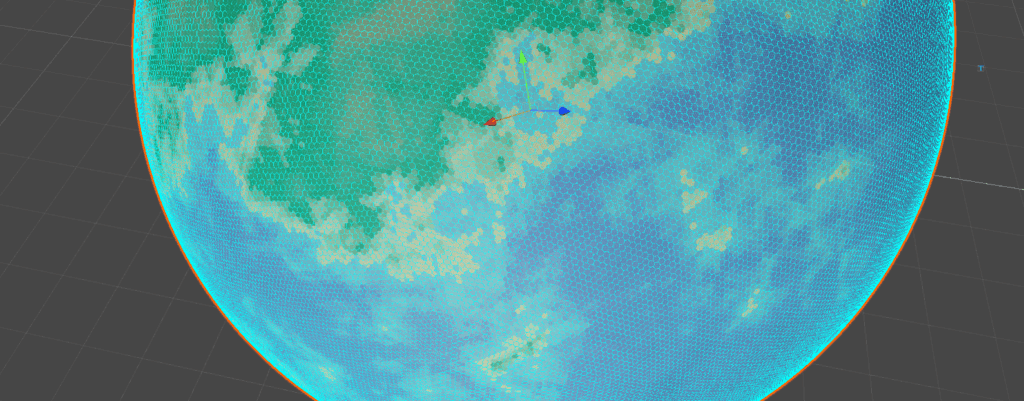
These images showcase the core planetary topology and rendering stack.
They reveal the underlying geodesic tessellation as well as the surface-level simulation fields rendered in real-time.
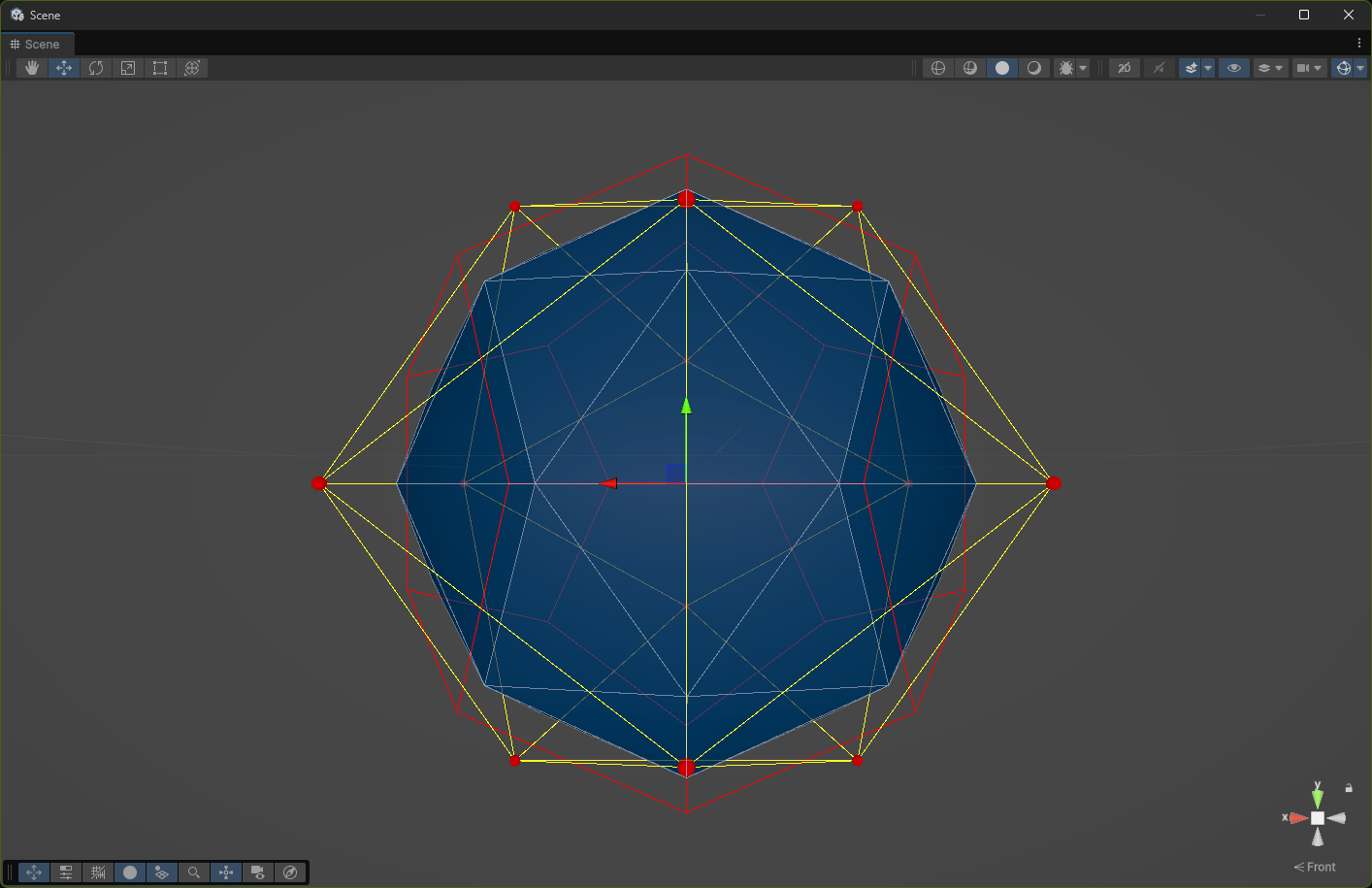
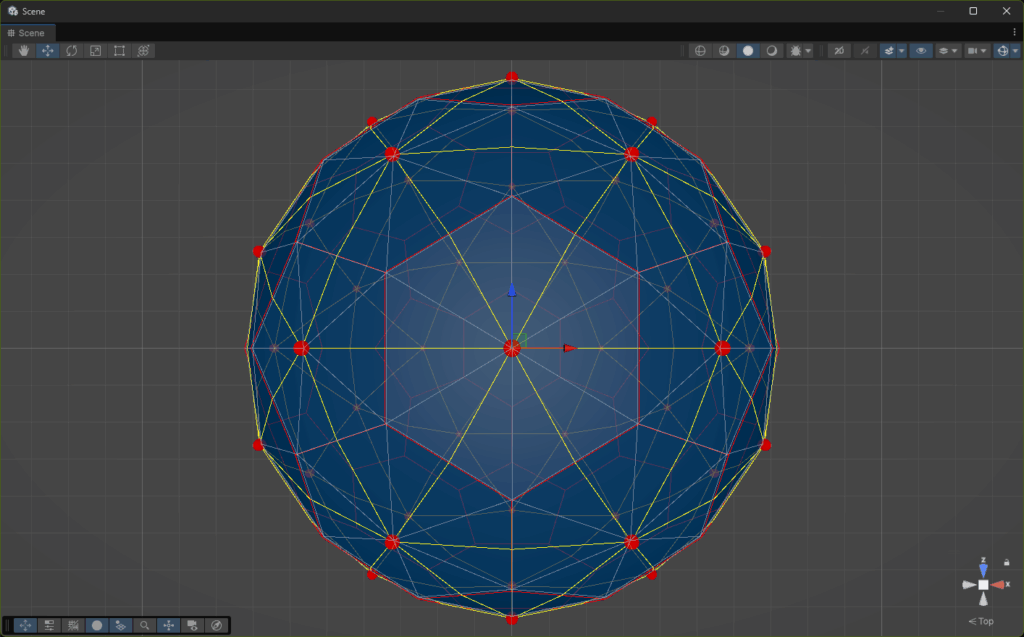
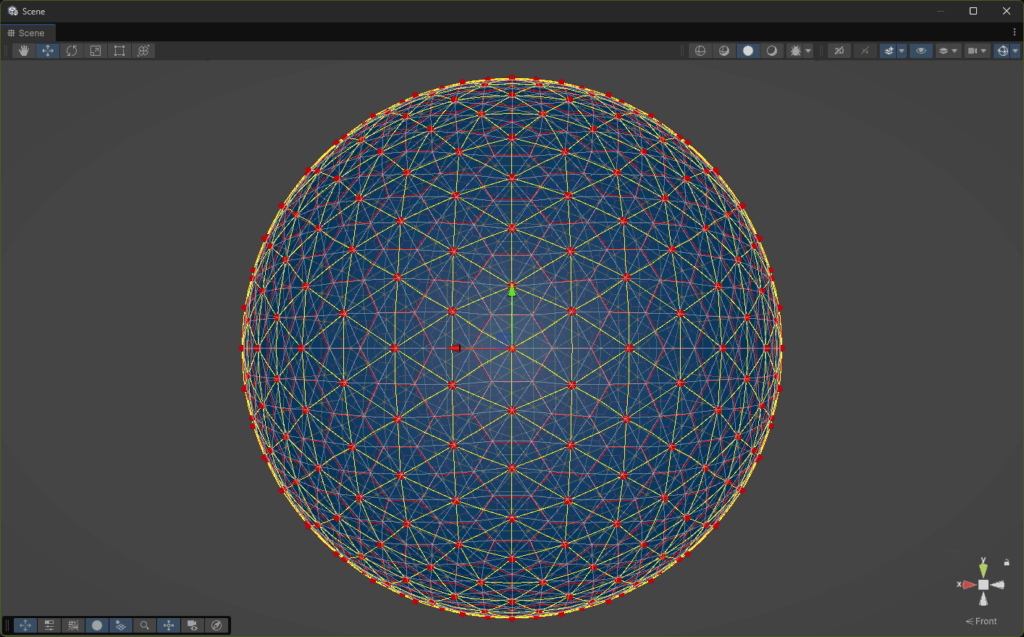
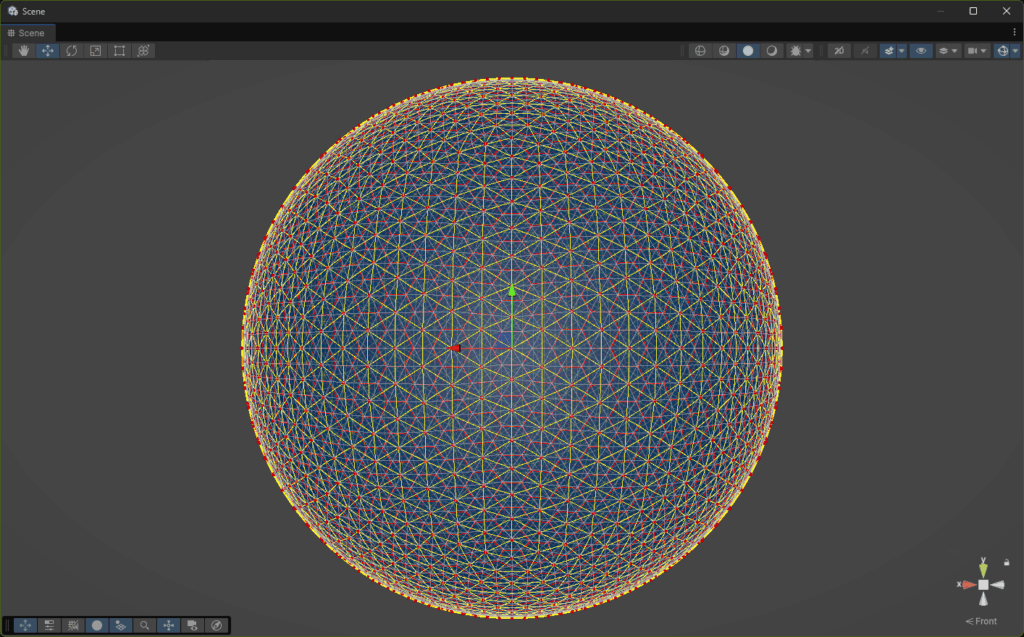
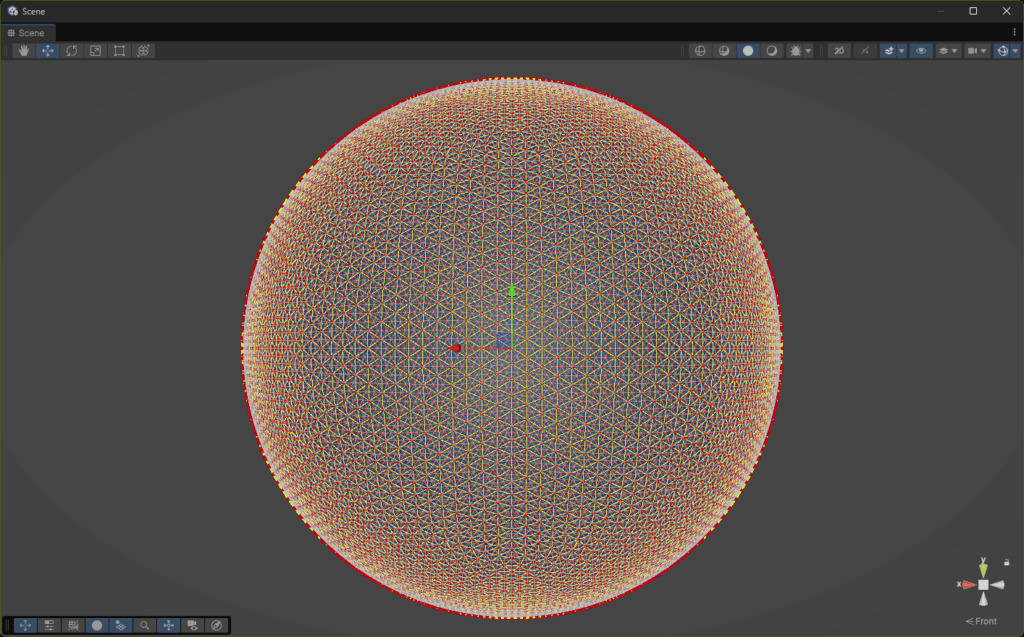
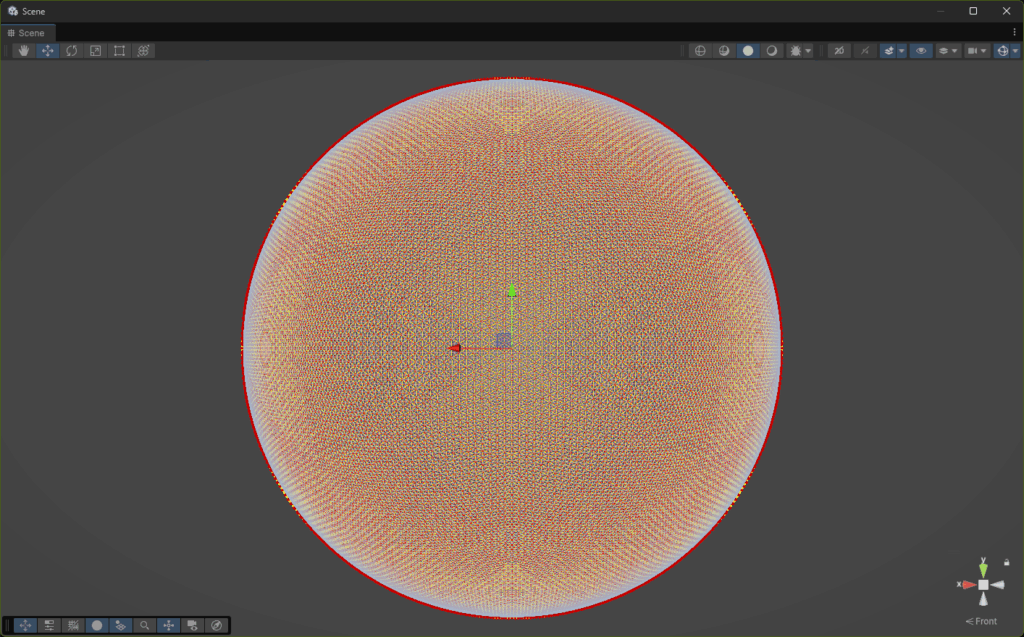
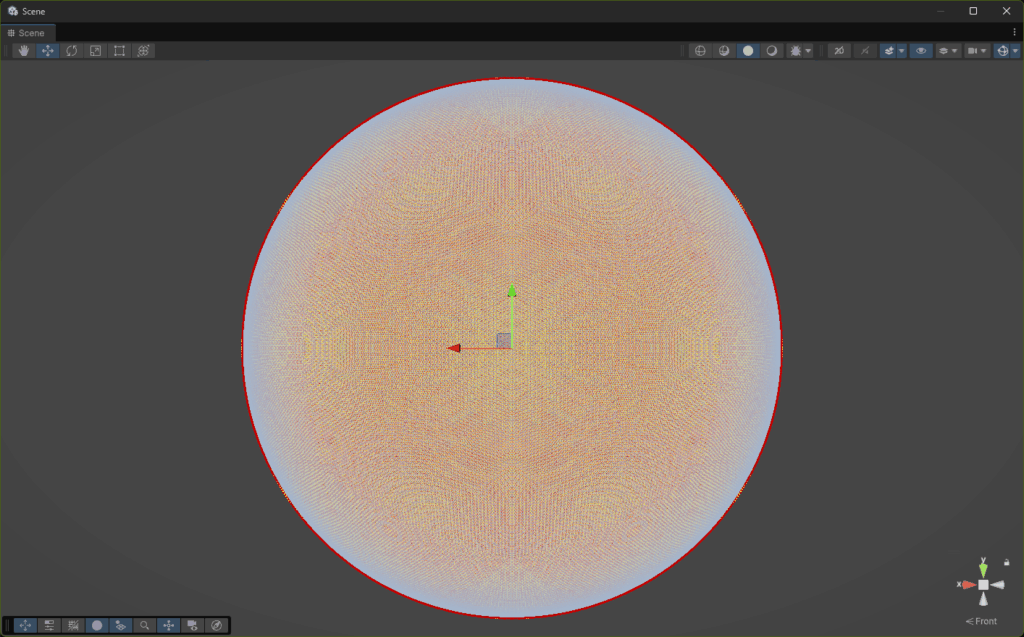
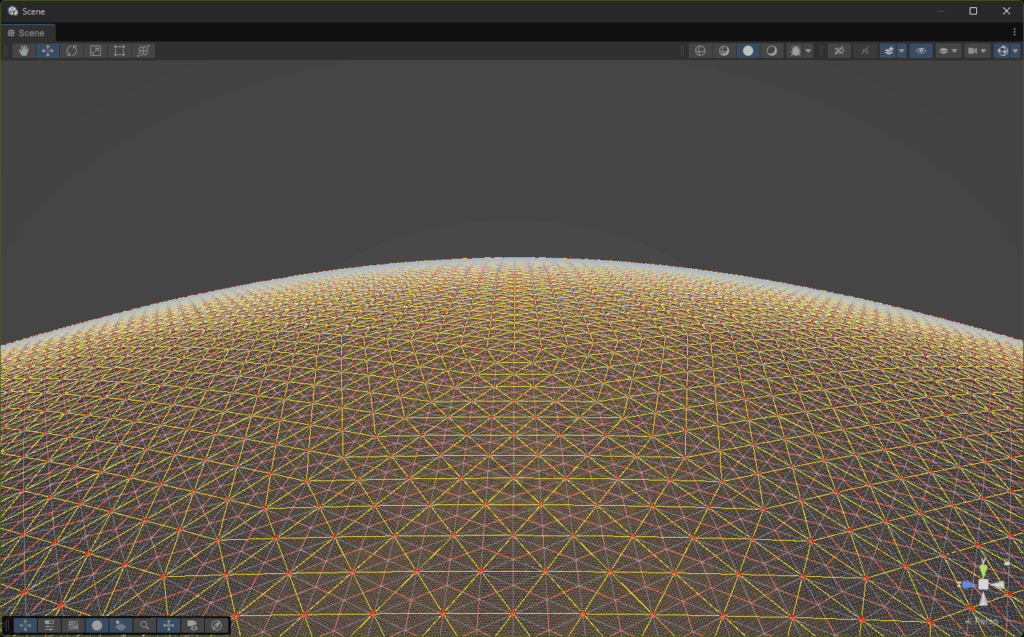
Geodesic Tessellation
The structural geometry beneath every simulation.
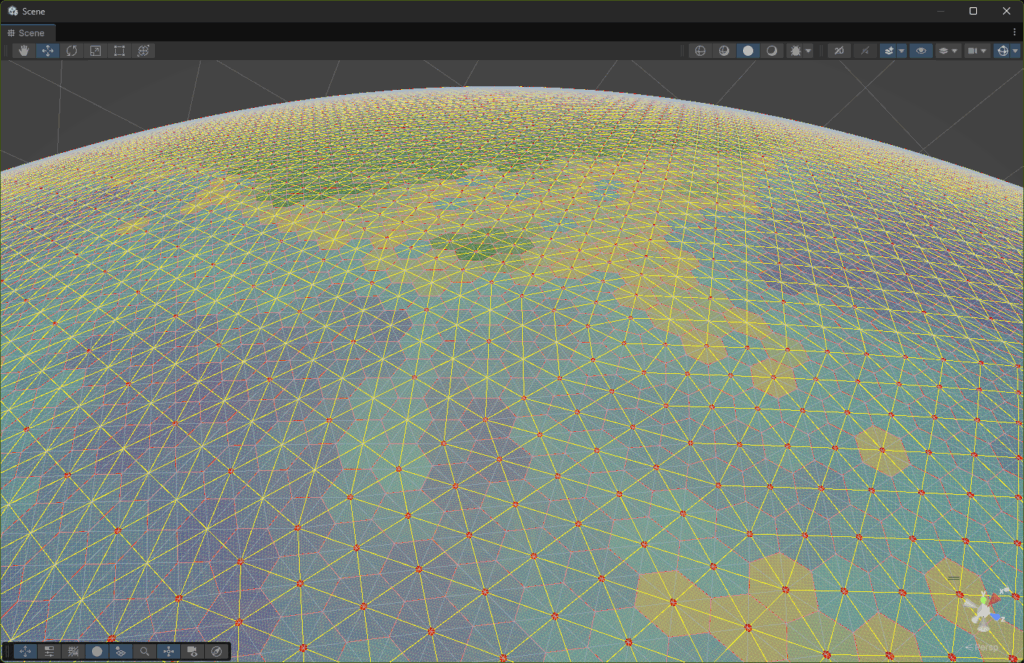
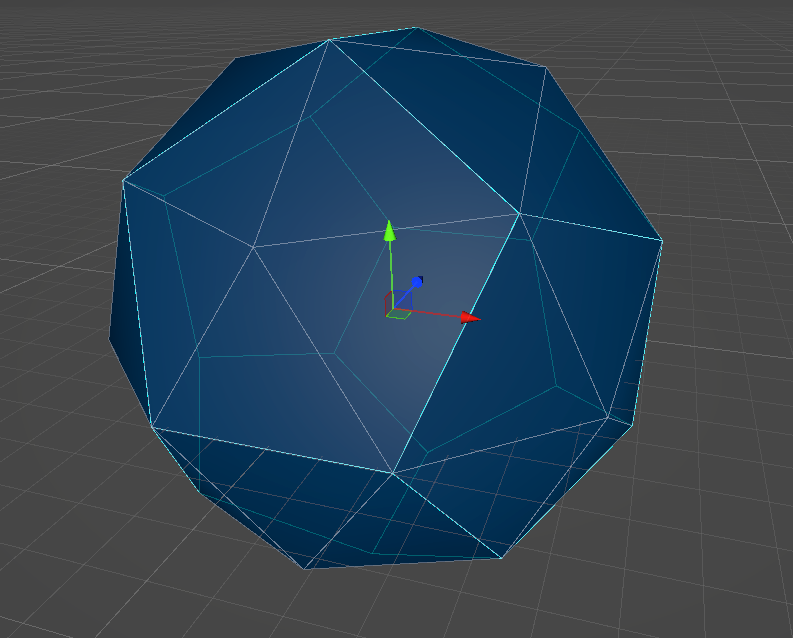
These images highlight the hex/pent dual icosahedral topology that powers the entire E.D.E.N. simulation.
They demonstrate equal-area tiling, uniform adjacency, and the clean global symmetry of the mesh.
Environmental Overlays
Scalar fields, vector flows, and subsystem interactions.
E.D.E.N.’s overlay system visualizes environmental processes with scientific clarity.
Here we display several canonical overlays:
- elevation shading
- slope / gradient overlays
- atmospheric temperature
- pressure fields
- hydrological flow vectors
- watershed and basin classification
- biome envelopes (early ecology previews)
Subsystem Visualizations
Geology, hydrology, atmosphere, ecology, and energy.
Each subsystem produces multiple fields that interact to form emergent global behavior.
These visuals highlight:
- watershed emergence
- air-flow convergence
- pressure bands and jet-stream analogs
- moisture and evaporation patterns
- biome-region clustering
- energy potential fields
Tools & Inspectors
Deep inspection of simulation state.
E.D.E.N. includes tools for probing tiles, edges, vectors, gradients, and subsystem data.
These images demonstrate:
- tile inspector popups
- vector tracing tools
- field sampling instruments
- scenario-guided inspection modes
- overlay switching and layering
Videos
Demonstrations of planetary evolution, scenario tools, and overlays in motion.
Below are curated video demonstrations highlighting:
Planetary Rotation & Layer Cycling
- switching between geology / hydrology / atmosphere overlays
- real-time geodesic mesh reveal
- smooth transitions between fields
Atmospheric Behavior
- pressure gradients evolving over time
- vector field flow visualization
- moisture and condensation changes
Hydrology Flow
- dynamic water routing
- flow accumulation and basin emergence
- topography to watershed relationship
Time Controls & Scenario Engine
- time acceleration
- single-tick stepping
- scenario-driven visualization sequences
Development Snapshots
Behind-the-scenes imagery from active development.
These images reflect active work on:
- subsystem prototypes
- overlay renderer iteration
- visual debugging tools
- mesh research
- field and tick system validation
- internal architecture mapping
Educational Previews
Early concepts for classroom scenarios and guided lessons.
These visuals preview what educators and learners will experience in the Education Edition:
- rainfall cycle scenarios
- river formation analysis
- climate band interpretation
- biome boundary behavior
- scenario script step-throughs
Press-Ready Materials
Curated assets for articles, presentations, and editorials.
If you are a journalist, educator, or researcher and need:
- high-resolution renders
- subsystem diagrams
- overlay breakdowns
- planetary meshes
- development clips
You may request a press kit at any time.
(Press contact information or form link goes here.)
Licensing & Usage
All media assets on this page are © Emergent Dynamics.
Public use is allowed for journalism, education, research, and academic presentations with attribution.
Commercial use requires written permission.
More Coming Soon
This gallery will continue to expand as new subsystems, tools, and educational features move into public-ready form.